

Installing a Conservatory Wood Burner
Wood burners are a great alternative to electric heaters or underfloor heating for conservatories. They are also less expensive. Choose a stove with the right kW rating for your conservatory, and ensure it's built to meet the building codes.
Your stove must be located on a non-flammable base to be in compliance with UK building regulations. This could be a hearth with tiles or one made of stone.
Cost
A fireplace that burns wood can bring warmth and character into a conservatory. It can also help to reduce energy costs and heating bills. The initial investment is typically an enormous one. The cost of installing a flue system may vary depending on your stove and installation requirements.
You can connect the conservatory directly to the central heating system in your home or install an additional flue. Both options have advantages and disadvantages. The extension of your central heating system to the conservatory can make it appear like an extension of your home, but can increase your utility bill. Installing a flue is more cost-effective and practical.
If you choose to have a flue fitted in your conservatory, it will have to go through the roof. It may be difficult to do this when your conservatory is made of glass, however it's possible. A professional installer will cut through the roof and apply an flange to seal it against the elements.
The cost of a flue system in conservatories will be based on the dimensions of the room as well as the kind of stove. A basic twin-wall flue will cost about PS1,150. A flue with insulation is more expensive. It is vital to have the flue properly installed and it is advisable to engage an expert to ensure that all safety rules are adhered to.
A wood stove can transform your conservatory into a comfortable space to live all year long. It can also be more affordable than electric heaters. However, it is important to keep in mind that a wood burner won't be able to generate enough heat to warm the entire conservatory, therefore you will still require other methods of heating.
You should make sure that your conservatory is secure and complies with UK building regulations before installing a fireplace that burns wood. The log burner should be placed on a nonflammable base, and at least 300mm away from combustible wall surfaces. A hearth is also required to shield the flooring from the heat generated by the stove.
Heat output
A conservatory wood burner is a fantastic addition to your home and allows you to enjoy it all year. It's cheaper than underfloor heating and more appealing than a radiator. It's also renewable energy source which means you'll save money on your electricity bill!
However installing a fireplace in your conservatory won't be without its challenges. The installation of the flue is one of the most challenging aspects. It can be tricky to fit a flue through a glass conservatory's roof, however, it's not impossible. You'll need to find an HETAS-registered professional who can cut the roof and seal it with either a flange or a sheet of insulation. This will make your project legal and secure, which is important for insurance purposes or if you plan to sell your home in the near future.
It is crucial to make sure that the conservatory roof is properly insulated before installing a stove. This will help prevent loss of heat. This is especially crucial in the case of an efficient stove. A solid conservatory roofing system from Guardian Warm Roof can help to prevent this issue by providing a thick layer of insulation and reduces the amount of heat that is lost through the glass roof.
The position of the stove is also important, as the flue should be positioned at minimum 2.3 meters away from the wall that connects your conservatory to your house. This requirement may be difficult to meet if you opt to place the stove in the corner of your conservatory, however it's generally possible to overcome this issue with a special flue pipe that can be extended through ceilings or walls.
It is essential to follow the building codes for stoves, chimneys, and fireplaces when you've decided on the location for your wood-burning device. You'll need to install an interior hearth of at minimum 12mm thick, wide enough to extend 300mm in the front of the fireplace and 150mm either side. If your stove is more powerful, you'll need a ventilation opening that is at least 550mm2.
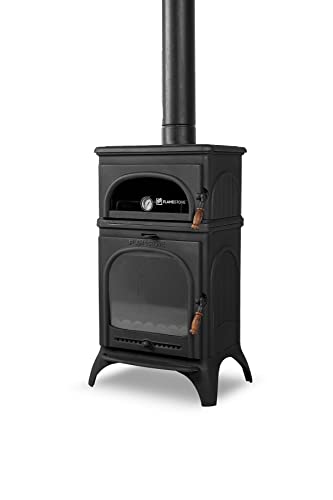
wood burning fireplace is crucial to ensure adequate ventilation in your conservatory if you plan to install a wood-burning stove. This will stop the room from becoming too hot when the fire is lit. A conservatory is often poorly insulated, so you may need to upgrade the insulation in the roof and fit an automatic temperature-controlled vent system. It's also recommended to install a carbon monoxide detector in case of any leaks.
Like other forms of heating log burners, log burners require chimneys to eliminate the smoke that is produced by combustion. It is possible to get around this requirement by installing a venting device however, it can be expensive and may not meet the building regulations. Instead, you can opt for a twin wall flue pipe to avoid the cost of installing an internal chimney and still be able to meet your ventilation requirements.
The twin wall flue pipe was designed for use in conservatories. They are equipped with an insulated layer that prevents the outside of the pipe from becoming too hot and posing dangerous. The insulation isn't present in other kinds of flue pipes like twin bore and multi-wall.
The location of the flue is an important challenge when installing a wood burner in a conservatory. The most popular method is to run the chimney over the wall that connects your conservatory to your house. This is the fastest and most affordable option but you must adhere to building codes by making sure the flue is a minimum of 2.3 metres away from the house. It must also be at least one metre above the your conservatory's roof.
You can also place the flue pipe at the corner of the room, near the stove. This will help you save on installation costs and also give you a more attractive finish. However, you'll need to make sure that the flue is located at least 1.3m from any combustible material and at least 1.2m from any doors. It is best to employ an expert to install the flue, as it will make it easier to comply with building regulations.
Safety
Log burners can add warmth and class to your conservatory. They also provide a peaceful space to relax. It is crucial to install them properly and in accordance with the manufacturer's instructions and safety guidelines. It is also important to ensure an appropriate distance from walls and combustible materials. A qualified professional should be employed for this task.
A wood-burning fireplace can bring a touch of elegance to your conservatory while also being cost-effective. You can even use it to heat your conservatory, creating an additional living space for the entire family. It is crucial to ensure you choose the right type of fire and flue system, and that it is installed by a HETAS-certified installer.
You will need to install an air intake for your wood-burning stove and it is essential that the flue is in compliance with UK building regulations. Select a double-insulated cool-to-the outside twin flue system. It can be set against a wall in the house or the conservatory roof, and must be at least 1m over the guttering.
Make sure you consider the size of the conservatory, as well as the kW needed. You can use a number of calculators online to determine this. It is also important to determine if you reside in a smoke-free zone, as this will influence the stove you can buy.
After you've selected the appropriate type of stove, you'll need to lay the floor. The base should be constructed of non-combustible materials and should be kept away from any flammable floors or wall coverings. It's best to use an untiled hearth that is at least 50mm thick because this is in line with UK building regulations.
In most instances, you don't need planning permission to install a wood-burning stove inside your conservatory. If you're in an area designated as a conservation zone it is recommended to check with the local authority first to see whether there are any restrictions.